
Many creators talk about the YouTube Algorithm as if it is a mystery. In reality, YouTube itself explains the system in a much simpler way. The platform tries to match each viewer with videos they are most likely to watch and enjoy. Its goal is not to “push random videos.” Its goal is to improve viewer satisfaction so people keep coming back to YouTube.
This means we should stop thinking about the algorithm as a single machine that either loves or hates our channel. It is better to think of YouTube as a set of recommendation and search systems working across different surfaces. The homepage, Suggested or Up Next, search results, Shorts feed, subscriptions, and notifications all behave a little differently. Each part uses different signals, and each part serves a different user intent.
That is why one video may fail in search but perform well on the homepage. Another may struggle on the homepage but grow through Suggested videos. A Short may get strong early distribution, while a long-form video grows slowly through search over several months. When we understand these differences, we make better content decisions.
In this guide, we will explain how the YouTube Algorithm works, what signals matter most, what myths we should ignore, and how we can create videos that perform better over time.
What is the YouTube Algorithm?
The YouTube Algorithm is the broad term creators use for YouTube’s search and recommendation systems. These systems analyze many signals to decide which videos should appear for which viewers across different parts of the platform. YouTube explains that its systems are designed to help people find videos they are most likely to watch and enjoy.
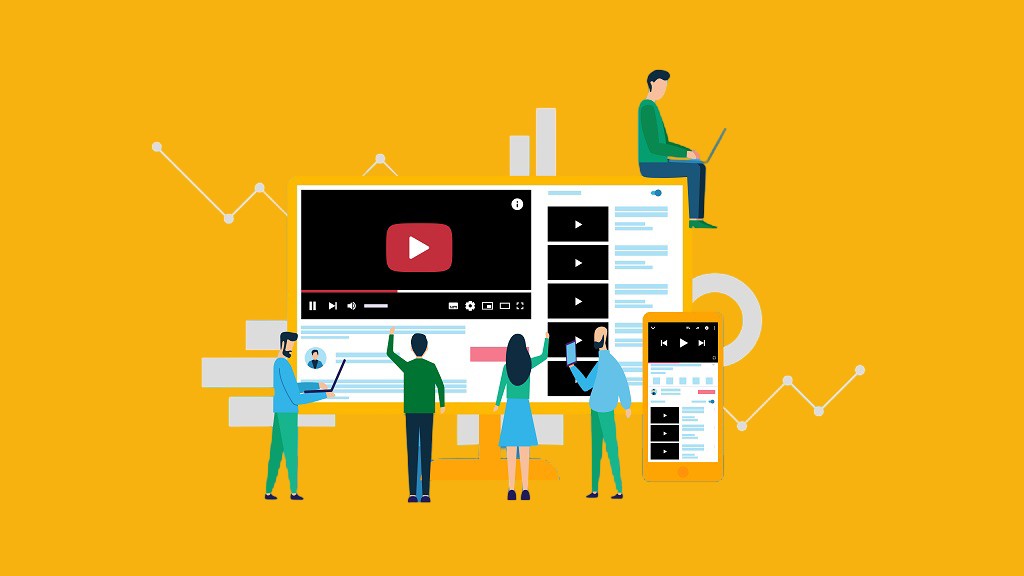
So, the algorithm is not one single formula. It includes several discovery systems, such as:
- Homepage recommendations, which suggest videos based on viewer interests and past behavior
- Suggested videos, which appear beside or after other videos to keep viewers engaged
- YouTube Search, which helps users find videos based on relevance, quality, and engagement
- The Shorts feed, which recommends short videos according to viewer response and interest
- Personalized signals like watch history, search activity, subscriptions, likes, and feedback
This is why one video may perform poorly in search but do well on the homepage. Another may gain traction through Suggested videos, while a Short may spread quickly in the Shorts feed. When we understand these differences, we can plan our content more strategically.
The Main Goal of the YouTube Algorithm
The most important idea is simple: YouTube wants viewers to keep finding videos they enjoy. Official YouTube guidance says search and discovery systems aim to help viewers find videos they are most likely to watch and to maximize long-term viewer satisfaction.
This matters because many creators still think the platform only rewards clicks. Clicks do matter, but clicks alone are not enough. A misleading title or thumbnail may get the click, but if viewers leave quickly or feel disappointed, that weakens performance over time. The platform wants satisfying viewing experiences, not empty curiosity.
That is why creator strategy should focus on this question:
Would the right viewer feel glad they clicked our video?
If the answer is yes, we are aligning with how YouTube works.
Where the YouTube Algorithm Recommends Videos
YouTube recommendations appear in several key places. Each one has a different context.
1. Homepage
The homepage is highly personalized. When viewers open YouTube, the system shows a mix of videos based on their interests, watch history, subscriptions, and likely satisfaction. This surface is less about keywords and more about behavior, relevance, and personal interest.
2. Up Next and Suggested Videos
When someone is already watching a video, YouTube recommends what they may want to watch next. Here, the system looks at the current video, the viewer’s habits, and patterns from similar viewers. This is why related topics, strong session building, and content sequencing matter so much.
3. YouTube Search
Search behaves differently. YouTube says search ranking prioritizes three key elements: relevance, engagement, and quality. The importance of each can vary by search type.
This means keyword targeting still matters, but it is not enough to stuff titles and descriptions. We also need content that satisfies the query.
4. Shorts Feed
Shorts have their own discovery behavior. YouTube explains that the Shorts discovery system also tries to connect each viewer with Shorts they want to watch. Viewer interest and satisfaction still matter, but the interaction patterns are naturally faster than long-form video.
5. Subscriptions and Notifications
These surfaces are more direct. If people actively subscribe and enable notifications, YouTube has a strong signal that they want more from that creator. Even here, though, viewer response still matters.
The Core Signals the YouTube Algorithm Uses
YouTube does not reveal every exact weighting, but its official guidance makes several signals very clear. The system considers factors such as what viewers watch and do not watch, how much time they spend watching, what they like and dislike, when they mark content as not interested, and survey-based satisfaction feedback.
Here are the main signals we should understand.
Click-through rate
Click-through rate, often called CTR, measures how often people click when they see the thumbnail and title. A strong CTR can help a video earn more opportunities, especially in testing phases.
However, CTR without viewer satisfaction is not enough. A high click rate with weak watch behavior can hurt momentum.
Watch time
Watch time remains a major performance signal. If viewers spend meaningful time with a video, that usually indicates value. Historically, YouTube has publicly emphasized rewarding engaging videos that keep viewers watching.
Audience retention
Audience retention shows how much of the video people watch. Strong retention often means the video met expectations, held attention, and delivered value well.
Viewer satisfaction
This is one of the most important ideas. YouTube refers to satisfaction in multiple official resources. Likes, dislikes, “not interested” feedback, surveys, and other behavior signals help the system estimate whether viewers felt the recommendation was good.
Relevance to the viewer
YouTube personalizes heavily. Two people can see completely different recommendations even if they type the same query or open the same homepage. Watch history, search history, and subscriptions all shape what appears.
Topic and metadata understanding
Titles, descriptions, thumbnails, captions, and spoken content help YouTube understand what the video is about. Metadata is not the whole game, but it still helps the system classify and surface content properly. Official YouTube creator guidance also notes that rich text helps the system understand content better.
YouTube Search vs YouTube Recommendations
Many creators treat these as one system, but they work differently. Understanding this difference helps us create better content and optimize each video more effectively.
How YouTube Search works
YouTube Search is mainly designed to answer a viewer’s query. When someone types a phrase into the search bar, YouTube tries to show videos that closely match that need. In this area, relevance matters a lot. Titles, descriptions, keywords, topic coverage, and overall usefulness all help YouTube understand whether a video fits the search intent.
Search usually works best for tutorials, guides, explainers, reviews, and question-based videos. These are the videos people actively look for when they want a specific answer. That is also why evergreen content often performs well in search. A useful video can keep bringing views for months or even years if people continue searching for that topic.
How YouTube Recommendations work
Recommendations work differently. Instead of responding to a typed query, YouTube tries to predict what a viewer may want to watch next. This happens on the homepage, in Suggested videos, and across other personalized surfaces.
Here, viewer behavior matters more. YouTube looks at watch history, viewing patterns, satisfaction signals, and how similar viewers respond to similar content. The platform is not simply ranking videos in one fixed order. It is trying to match each viewer with videos they are likely to enjoy.
This is why a video can receive strong homepage traffic even without targeting a high-volume keyword. If the right audience clicks, watches, and enjoys the content, recommendations can grow quickly.
Why the difference matters
Search is useful when we want to capture existing demand. Recommendations are powerful when we want YouTube to place our content in front of viewers who may enjoy it even if they were not actively searching for it.
So, we should not optimize every video in the same way. A search-focused video needs clear relevance and strong intent matching. A recommendation-focused video needs strong packaging, audience fit, and satisfying viewer response.
When we understand whether a video is more likely to grow through search or through recommendations, we can make better decisions about titles, thumbnails, structure, and overall content strategy.
How the YouTube Algorithm Understands New Videos
When we upload a new video, YouTube usually begins by showing it to small groups of potentially relevant viewers. The system watches how those viewers respond. Do they click? Do they stay? They continue watching more content after this video? Do they react positively?
If those signals are promising, the video may expand to more viewers.
This is why the first audience match matters so much. If our topic, title, and thumbnail attract the wrong people, the early response may be weak. The issue may not be content quality alone. Sometimes the packaging attracts the wrong expectations.
Example
Suppose we upload a video titled:
“YouTube Growth Secrets That Work Fast”
This may attract broad curiosity clicks. But if the video is really a detailed beginner tutorial, many viewers may leave because the title promised something else.
Now compare that with:
“How Small Channels Can Grow on YouTube in 2026”
This title is clearer. It attracts a more relevant audience. That can improve satisfaction, retention, and recommendation quality.
How YouTube Search Works
YouTube’s official help page says search prioritizes relevance, engagement, and quality.
Let us break that down.
Relevance
Relevance refers to how closely the video matches the query. This includes:
- Keywords in the title
- Words in the description
- Video topic
- Possibly captions and contextual signals
- Overall alignment with what the searcher wants
Engagement
Engagement covers how users respond after the video appears. If many people click and watch when searching for a specific query, that may strengthen performance for that search intent.
Quality
Quality is harder to reduce to one metric. It can include channel authority, content depth, reliability, and how well the video satisfies user needs.
For informational videos, this means shallow content often loses in the long run.
How Homepage Recommendations Work
The homepage is where many channels see large growth. YouTube says the homepage is primarily a personalized surface. The system compares viewing habits and uses signals from similar viewers to suggest content a person may want to watch.
This means the homepage is less about exact keywords and more about audience fit.
To perform on the homepage, we need:
- Clear topic positioning
- Strong thumbnails
- Titles that spark relevant curiosity
- Consistent content themes
- Videos that satisfy the audience we attract
A scattered channel can confuse this process. If we upload unrelated topics all the time, YouTube may struggle to identify the right audience cluster for our content.
How Suggested Videos Work
Suggested videos are powerful because they can drive large ongoing traffic. When a person is already watching a related video, YouTube wants to help them continue watching.
That is why content relationships matter.
Suggested performance often improves when we create:
- Series
- Topic clusters
- Follow-up videos
- Deep dives connected to earlier content
- Consistent style and audience targeting
If someone watches one of our videos and quickly wants another similar one, we become easier to recommend.
Also read: Royalty Free Music for YouTube: Is It Really Free?
How Shorts Algorithm Behavior Differs
Shorts move faster. The decision cycle is shorter, and viewer behavior is more immediate. People swipe quickly, so hook strength becomes critical.
For Shorts, we usually need:
- A very fast opening
- Clear visual movement
- Immediate context
- Tight pacing
- A topic that fits quick consumption
Even so, the same deeper principle remains: YouTube still wants to connect each viewer with Shorts they want to watch.
Common Myths About the YouTube Algorithm
Many creators grow slowly because they believe myths instead of working on real performance factors.
Myth 1: The algorithm hates small channels
This is not a useful way to think. The system does not need to “love” or “hate” a channel. It tests content against viewers. Small channels can grow when they make videos that strongly satisfy a specific audience.
Myth 2: More tags will make us rank
Tags are not the primary growth lever many creators imagine. Topic clarity, title relevance, viewer response, and content quality matter far more.
Myth 3: Uploading daily guarantees success
Frequency can help, but only if quality and audience fit remain strong. A weak daily strategy usually performs worse than a focused weekly strategy.
Myth 4: Monetized videos are favored
YouTube states that its recommendation algorithm does not prioritize videos based on whether they are monetized. It focuses on recommending videos viewers will find satisfying.
Myth 5: One bad video kills a channel
One weak upload does not usually destroy a channel. Problems arise when poor audience matching, weak packaging, and inconsistent strategy continue over time.
Also read: How to Add Music to YouTube Videos Safely: New Guide
What We Should Optimize for Instead of “Beating the YouTube Algorithm”
Trying to outsmart YouTube is the wrong approach. It is better to align with viewer value.
We should optimize for:
1. Audience clarity
Who is the video for? What problem does it solve? What emotional or practical need does it meet?
2. Packaging quality
The title and thumbnail should make the right person want to click. They should not mislead.
3. Strong opening
The first 15 to 30 seconds matter. Viewers should immediately understand what they will get.
4. Retention structure
Good videos remove confusion, cut delay, maintain flow, and keep giving reasons to continue watching.
5. Satisfaction
A satisfying video delivers what it promised and leaves the viewer feeling the click was worth it.
Also read: How to Add End Screens on YouTube Videos Easily?
Practical Steps to Work With the YouTube Algorithm
Here is a practical framework we can use.
Step 1: Choose a clear content lane
A channel grows faster when YouTube can understand who the content is for. Broad variety without a strategy often slows audience matching.
Step 2: Research real viewer intent
Before recording, we should understand what the viewer actually wants. This helps us create content that matches real demand instead of our own assumptions.
We should ask questions such as:
- What problem is the viewer trying to solve?
- Which answer is the viewer expecting from this video?
- What gap can we fill better than competing videos?
When we understand viewer intent clearly, we can shape the title, thumbnail, structure, and message more effectively. This improves relevance and gives the video a better chance to perform well in search and recommendations.
Step 3: Build strong title and thumbnail alignment
The thumbnail should create interest. The title should add context. Together, they should attract the right click.
Step 4: Deliver fast value
We should reduce long intros and reach the main point quickly.
Step 5: Keep the video focused
If the title promises one core topic, the video should stay close to that topic.
Step 6: Create connected content
Related videos improve Suggested traffic and session growth.
Step 7: Study analytics correctly
We should not obsess over one metric alone. A balanced review is better.
Look at:
- CTR
- Average view duration
- Audience retention
- Traffic source mix
- Returning viewers
- Subscriber conversion
- Satisfaction indicators where available
Also read: How to Create a YouTube Playlist Easily: Complete Guide
Signs That the YouTube Algorithm Understands Our Channel Better
Over time, several positive signs may appear:
- More views from Browse features
- More views from Suggested videos
- Better returning viewer patterns
- More consistent performance across uploads
- Faster early impressions to relevant audiences
- Growth in related video traffic
These signs suggest stronger audience-content matching.
What Hurts Performance Most
Several mistakes commonly weaken performance.
Weak topic selection
A poorly chosen topic can fail even if the production is excellent.
Misleading packaging
Bad audience matching often begins with the wrong title or thumbnail.
Slow openings
If viewers do not quickly understand the value, retention drops early.
Inconsistent audience targeting
When every video serves a different viewer type, YouTube gets weaker signals about who should see the channel.
Low content depth
Search-based videos especially need completeness and usefulness. Thin content rarely satisfies intent well.
Also read: How to Avoid Copyright Claims on YouTube?
A Simple Example of How the YouTube Algorithm Thinks
Let us imagine two videos on the same topic.
Video A
- Strong thumbnail
- High click rate
- Weak retention
- Many viewers leave disappointed
Video B
- Decent thumbnail
- Slightly lower click rate
- Better retention
- Higher satisfaction
- More people continue watching
Over time, Video B may outperform Video A because it creates a better viewer experience. That aligns more closely with YouTube’s long-term recommendation goals.
Also read: How to Get More Subscribers on YouTube Fast?
Final Thoughts on the YouTube Algorithm
The YouTube Algorithm is not magic, and it is not only about luck. It is a system built to connect viewers with videos they are likely to watch and enjoy. Search focuses on relevance, engagement, and quality. Recommendations rely heavily on viewer behavior, interests, satisfaction, and context.
So, the smartest creator strategy is not to chase tricks. It is to build videos that attract the right viewer, satisfy that viewer deeply, and lead naturally into more useful or enjoyable content.
When we do that consistently, we do not need to fight the algorithm.
We start working with it.
Also read: How to Monetize YouTube Channel: Complete Beginner Guide
Leave a Reply